

Qrolmoxe
Jyz
Structured learning for people building careers in live event programming — from single-stage shows to multi-format productions.
- Sequential lecture format — each module builds on the previous, no skipping ahead without context
- Practical programming frameworks used by working event professionals across different production scales
- Remote access with no fixed schedule — study around your existing commitments
Where this
knowledge goes
Event programming is a skill that compounds. The techniques covered here apply differently at each career stage — which is why the curriculum is structured around real production decisions, not just theory.
Scheduling that holds under pressure
Running time, segment sequencing, buffer management — these are skills that show immediately in how you handle a live show when something shifts unexpectedly.
Confidence in client conversations
Participants consistently report that structured programming knowledge changes how they talk to clients — fewer revisions, clearer briefs, faster sign-off on event concepts.
A shared language with production teams
Working alongside technical directors, stage managers, and AV crews becomes significantly easier when you understand how programming decisions affect their work downstream.

Online learning
feels passive
A lot of people arrive here having already tried online courses — and found them frustrating. Lectures that talk at you, no feedback, no connection to actual work. That is a fair thing to be skeptical about.
The structure here is different in one specific way: content is sequenced so that each lecture assumes you have absorbed the previous one. You cannot skip to a module that seems more interesting and still follow the reasoning. That constraint is intentional — it mirrors how real programming decisions stack on top of each other in production.
Watching lectures does not replace doing the work. The skills described here develop over months of applied practice on actual events. The program gives you a framework — what you build with it depends on what you take on after.

What remains
useful in
three years
Trends in event formats shift. Platforms change. But the underlying logic of how to structure an entertainment program — pacing, audience energy, segment transitions — stays consistent across decades of live production.
Format-independent thinking
The same programming principles apply whether you are working on a corporate gala, a music festival, or a hybrid broadcast event. The medium changes; the decision logic does not.
Reference material you return to
Access to the lecture archive does not expire. Practitioners often revisit specific modules when approaching an unfamiliar event type or briefing a new team member.
A network of working professionals
People who complete the program come from different countries and different production contexts. That breadth of perspective is genuinely useful when you hit a problem you have not seen before.
Built around
production
logic
Most event education focuses on project management or client relations. The programming layer — the actual sequencing of entertainment within a live show — tends to get treated as instinct rather than skill.
At Qrolmoxe Jyz, the curriculum starts from that gap. Each lecture is built around a specific programming decision that practitioners face repeatedly: how long can an audience sustain attention before a format shift, how to structure a closing sequence that lands without feeling abrupt, how to build a running order that accounts for technical transitions without padding.

How practitioners
describe this
The platform has been referenced in event industry discussions across Ukraine, Poland, and the Czech Republic since 2018. Recognition comes from practitioners, not from awards panels — which is the kind that actually reflects whether the content holds up in real production contexts.
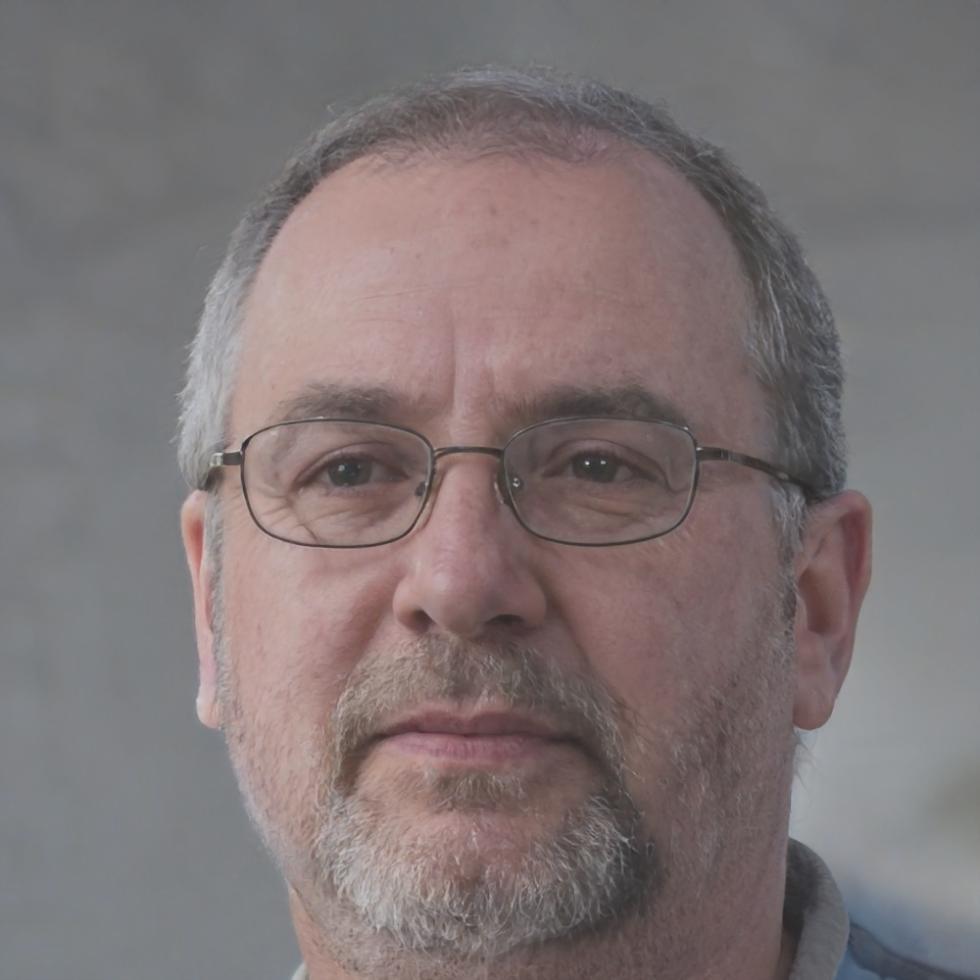
"The running order module changed how I brief my stage managers. I stopped describing what I wanted and started showing them a structure they could actually follow during the show."
Corporate Events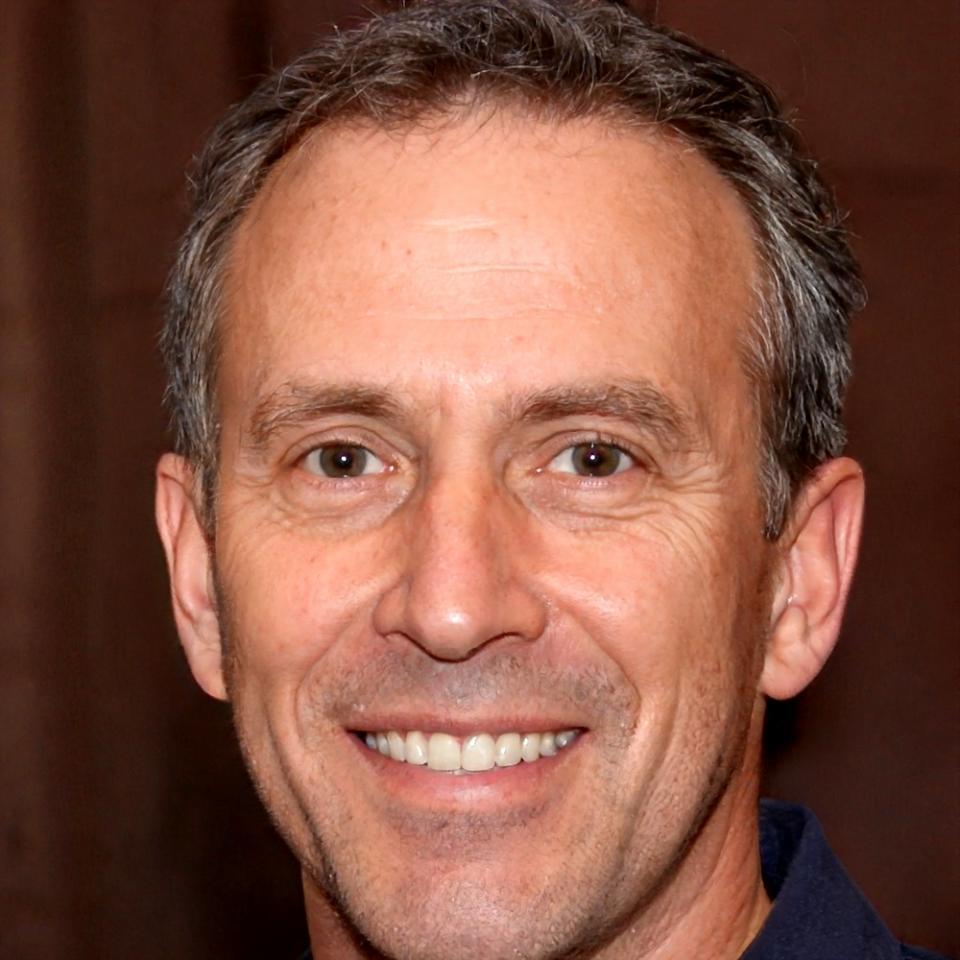
"I had been coordinating festivals for four years before this. What I was missing was a vocabulary for the decisions I was already making — this gave me that, and it made working with directors much easier."
Music Festivals"The international cohort was something I did not expect to matter as much as it did. Seeing how practitioners in other countries approach the same problems — pacing, audience energy, segment length — shifted how I think about what is universal versus what is local."
"I went back to the segment transitions lecture three times across different projects. That is the real test of whether something is actually useful — whether you reach for it again when the pressure is real."
Before
you start
A few things people typically ask before committing to the program. More detail is available on the program page.
Who is this program designed for?
The program is designed for event coordinators, production assistants, and entertainment professionals who want to develop structured programming skills for live and hybrid events. Some familiarity with event coordination is helpful, but the program starts from foundational concepts and builds progressively.
How is the learning delivered?
Content is delivered through sequential online lectures with structured modules. Each lecture is designed to be watched in order — the reasoning in later modules depends on concepts introduced earlier. There is no fixed schedule; you work through the material at your own pace.
What language are the lectures in?
All lectures are delivered in English. The program serves an international audience, and English allows participants from different countries to study together and engage in shared review sessions without language barriers.
How long does it take to complete?
Completion time varies depending on how much time you set aside each week. Most participants working through the material alongside existing jobs take between three and five months to complete the core track. The archive remains accessible after completion.
Is there any interaction with other participants?
Yes. Participants have access to shared review sessions where programming decisions from real events are discussed across the cohort. These sessions are where much of the practical learning happens — hearing how practitioners in different countries approached the same problem is consistently cited as one of the most useful parts of the experience.